
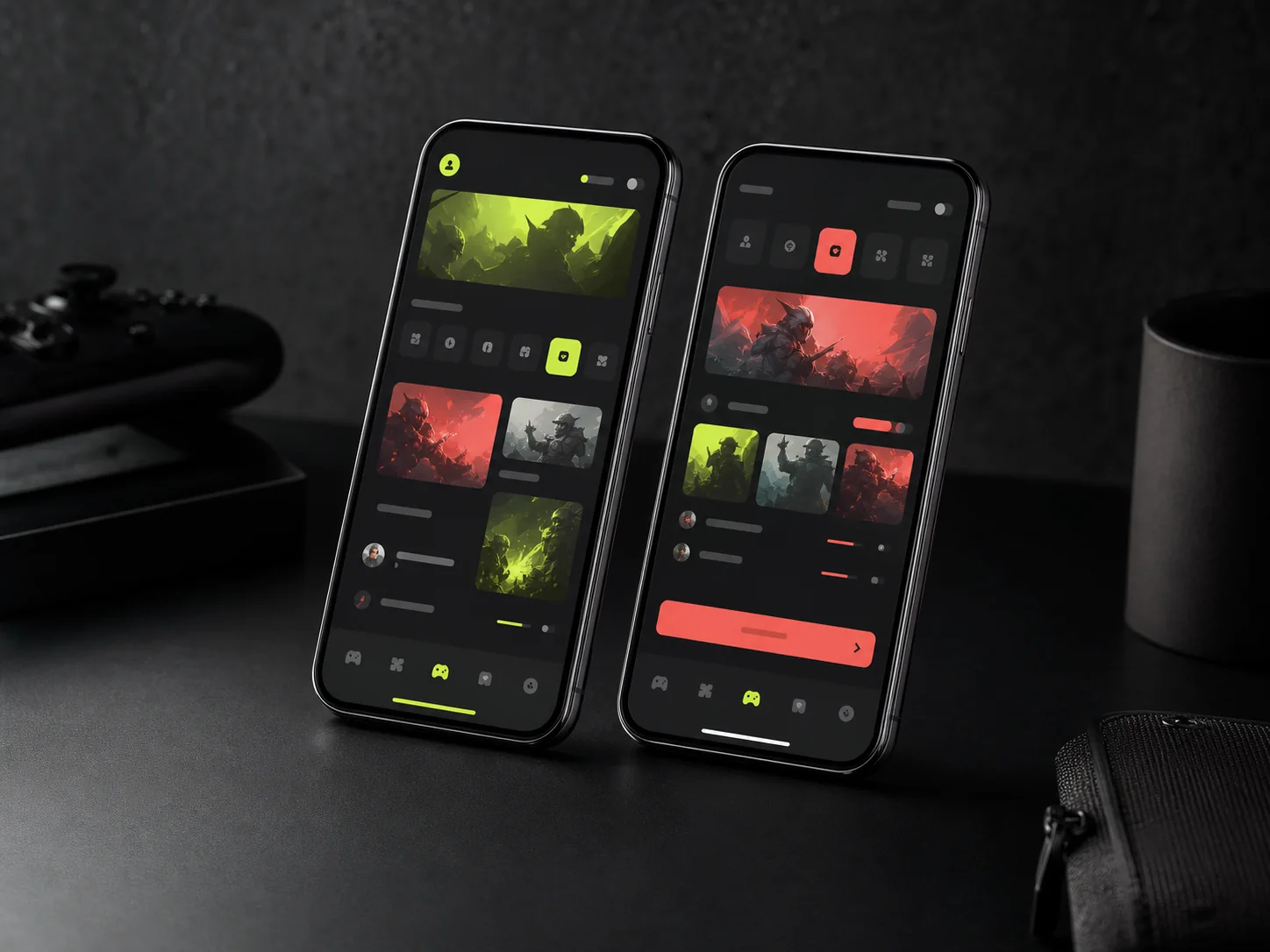
Swaga Mobile: Browser Access on Android and iPhone
Swaga adapts its main navigation and account controls to Android phones, iPhone and tablet screens.
Visit SwagaHow this section works
Swaga adapts its main navigation and account controls to Android phones, iPhone and tablet screens. The sections below explain the interface, relevant parameters and a reliable checking order without turning labels into promises.
| Sections | Casino, live, sport |
|---|---|
| Account | Profile and history |
| Access | Desktop and mobile |
| Controls | Limits and time-outs |
Navigate a responsive interface
This part of Swaga is organized around responsive navigation. Open the relevant card or menu and read every value shown immediately before an action. The signed-in interface is more current than an old screenshot or promotional summary because availability, limits and selections can change for an individual account.
Use a consistent sequence: choose the item, read its parameters, confirm the amount or selection, and then check the resulting entry in account history. If the status does not update immediately, do not repeat the request before checking the balance and activity log. A useful support report includes the section, time, amount and transaction, bet or round identifier.

Use Swaga from an Android browser
This part of Swaga is organized around Android browser access. Open the relevant card or menu and read every value shown immediately before an action. The signed-in interface is more current than an old screenshot or promotional summary because availability, limits and selections can change for an individual account.
Use a consistent sequence: choose the item, read its parameters, confirm the amount or selection, and then check the resulting entry in account history. If the status does not update immediately, do not repeat the request before checking the balance and activity log. A useful support report includes the section, time, amount and transaction, bet or round identifier.
Keep the same account on iPhone
This part of Swaga is organized around iPhone and Safari behavior. Open the relevant card or menu and read every value shown immediately before an action. The signed-in interface is more current than an old screenshot or promotional summary because availability, limits and selections can change for an individual account.
Use a consistent sequence: choose the item, read its parameters, confirm the amount or selection, and then check the resulting entry in account history. If the status does not update immediately, do not repeat the request before checking the balance and activity log. A useful support report includes the section, time, amount and transaction, bet or round identifier.
Manage touch controls and orientation
This part of Swaga is organized around touch controls and orientation. Open the relevant card or menu and read every value shown immediately before an action. The signed-in interface is more current than an old screenshot or promotional summary because availability, limits and selections can change for an individual account.
Use a consistent sequence: choose the item, read its parameters, confirm the amount or selection, and then check the resulting entry in account history. If the status does not update immediately, do not repeat the request before checking the balance and activity log. A useful support report includes the section, time, amount and transaction, bet or round identifier.
Protect the cashier on mobile
This part of Swaga is organized around mobile cashier security. Open the relevant card or menu and read every value shown immediately before an action. The signed-in interface is more current than an old screenshot or promotional summary because availability, limits and selections can change for an individual account.
Use a consistent sequence: choose the item, read its parameters, confirm the amount or selection, and then check the resulting entry in account history. If the status does not update immediately, do not repeat the request before checking the balance and activity log. A useful support report includes the section, time, amount and transaction, bet or round identifier.
Recover cleanly after a connection break
This part of Swaga is organized around connection recovery and account history. Open the relevant card or menu and read every value shown immediately before an action. The signed-in interface is more current than an old screenshot or promotional summary because availability, limits and selections can change for an individual account.
Use a consistent sequence: choose the item, read its parameters, confirm the amount or selection, and then check the resulting entry in account history. If the status does not update immediately, do not repeat the request before checking the balance and activity log. A useful support report includes the section, time, amount and transaction, bet or round identifier.
Check the live details before confirming
Common questions
Does Swaga use one account for all sections?
The platform is presented as one account environment connecting the lobby, live area, sportsbook, cashier and profile, subject to the products available to the user.
Where should I check current limits?
Use the signed-in interface and read the values shown immediately before confirming a payment, wager or promotion.
Can Swaga be opened on a phone?
The responsive site is designed for current Android and iPhone browsers without creating a second account.
How do I find a transaction or round?
Open account history and record the date, amount, title and available reference before contacting support.
Do favourites change game results?
No. Favourites and recent items are navigation shortcuts and do not affect rules, probability or payouts.
What should I read before activating a bonus?
Check eligibility, minimum deposit, wagering, game contribution, expiry, maximum stake and withdrawal impact.
What happens when a connection drops?
Wait for the interface to reconnect, then check balance and history before repeating a payment, wager or game action.
Which account controls support safer play?
Deposit limits, session reminders, time-outs and self-exclusion can create firm boundaries across devices.